

stephen lake

Innovation

Strategy

Engineering

Bringing the expertise necessary to turn product dreams into reality.

My design philosophy

My approach to any project is simple: Always put the consumer first.


It sounds straightforward, but in my experience, it is much easier said than done. It’s easy to clutter a project vision by reacting to competitors or by taking customer requests at face value. While that feedback is important, relying on it alone often results in "me-too" products, over-complicated by unwanted features and introduced to the market too late.


To avoid these traps and deliver products that solve the vague struggles users face, I follow a disciplined three-stage process:

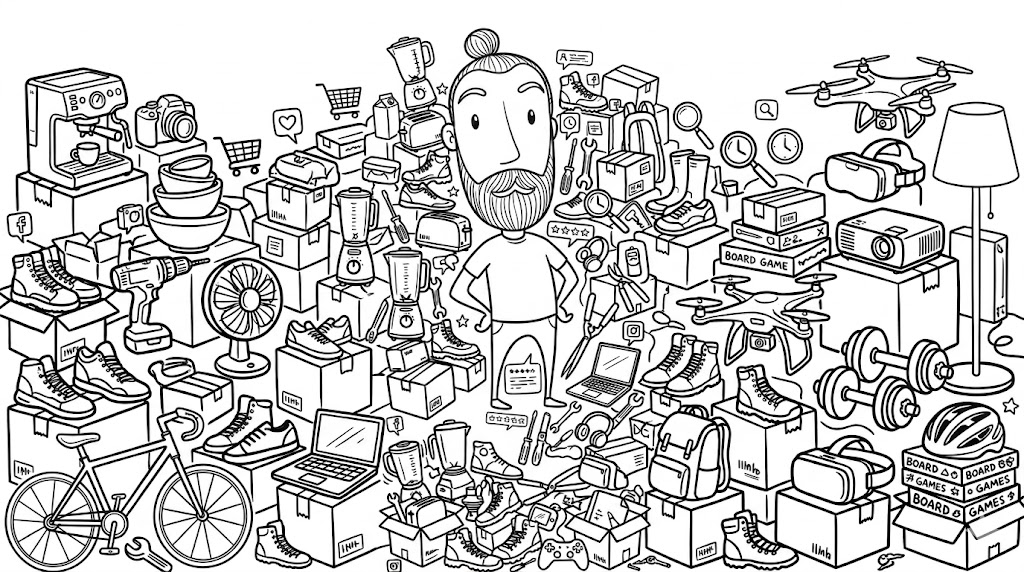
    1. Immersion

    I start by living where the consumer lives. I read the reviews they write, shop where they shop, and dive into the digital subcultures of Instagram and TikTok to see how their lives are actually unfolding. By using products exactly how they do, I identify the friction points they’ve learned to tolerate but haven't yet voiced.
    1. Anticipation

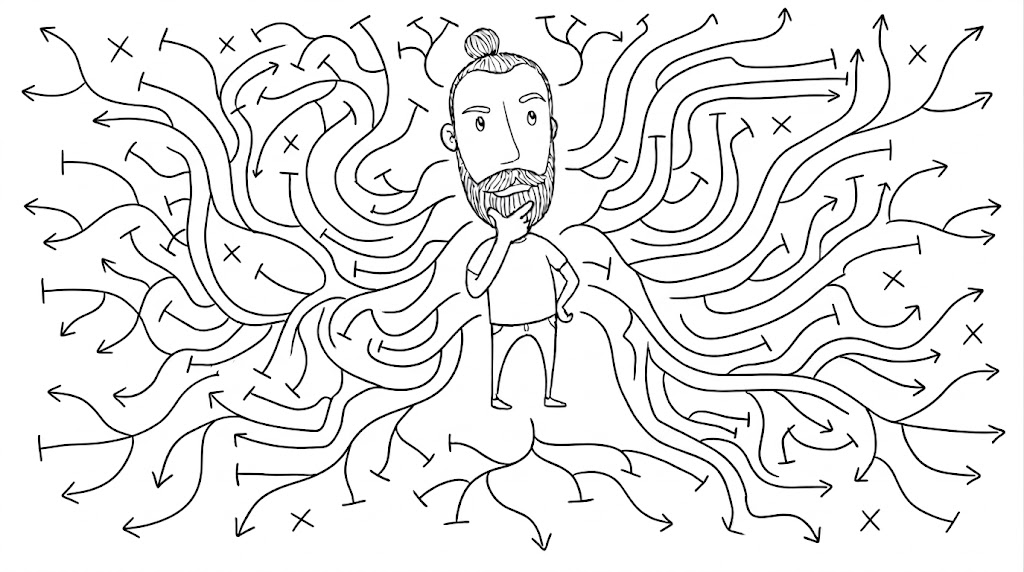
    People aren’t static, and good design needs to predict where they are headed. I look at how behaviors are evolving to tackle the problems users aren't even aware they have. I bridge the gap between a vague struggle and a robust engineering foundation, ensuring the solution is as intuitive as it is reliable.

    1. Iteration

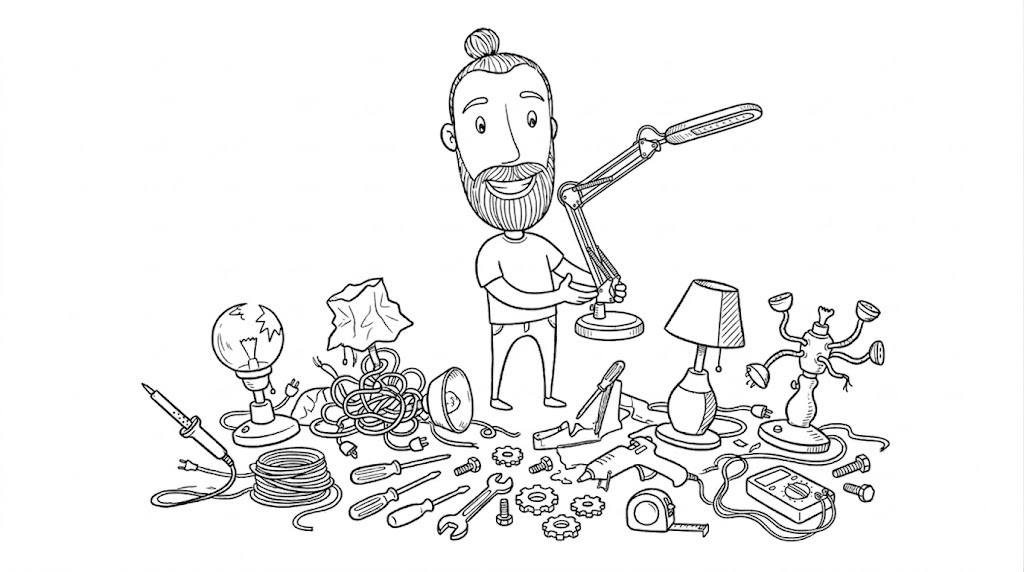
    Insights belong in the shop, not just on a slide deck. I believe in a relentless cycle of building, testing, and refining. I get physical prototypes into people’s hands, watch how they interact with the form, and continue to strip away the noise until only a beautiful, tangible reality remains.

stephen lake

Innovation

Strategy

Engineering

Bringing the expertise necessary to turn

product dreams into reality.

My design philosophy

My approach to any project is simple: Always put the consumer first.


It sounds straightforward, but in my experience, it is much easier said than done. It’s easy to clutter a project vision by reacting to competitors or by taking customer requests at face value. While that feedback is important, relying on it alone often results in "me-too" products, over-complicated by unwanted features and introduced to the market too late.


To avoid these traps and deliver products that solve the vague struggles users face, I follow a disciplined three-stage process:

    1. Immersion

    I start by living where the consumer lives. I read the reviews they write, shop where they shop, and dive into the digital subcultures of Instagram and TikTok to see how their lives are actually unfolding. By using products exactly how they do, I identify the friction points they’ve learned to tolerate but haven't yet voiced.

    1. Anticipation

    People aren’t static, and good design needs to predict where they are headed. I look at how behaviors are evolving to tackle the problems users aren't even aware they have. I bridge the gap between a vague struggle and a robust engineering foundation, ensuring the solution is as intuitive as it is reliable.

    1. Iteration

    Insights belong in the shop, not just on a slide deck. I believe in a relentless cycle of building, testing, and refining. I get physical prototypes into people’s hands, watch how they interact with the form, and continue to strip away the noise until only a beautiful, tangible reality remains.

stephen lake

Innovation

Strategy

Engineering

Bringing the expertise necessary to turn product dreams into reality.

My design philosophy

My approach to any project is simple: Always put the consumer first.


It sounds straightforward, but in my experience, it is much easier said than done. It’s easy to clutter a project vision by reacting to competitors or by taking customer requests at face value. While that feedback is important, relying on it alone often results in "me-too" products, over-complicated by unwanted features and introduced to the market too late.


To avoid these traps and deliver products that solve the vague struggles users face, I follow a disciplined three-stage process:

    1. Immersion

    I start by living where the consumer lives. I read the reviews they write, shop where they shop, and dive into the digital subcultures of Instagram and TikTok to see how their lives are actually unfolding. By using products exactly how they do, I identify the friction points they’ve learned to tolerate but haven't yet voiced.

    1. Anticipation

    People aren’t static, and good design needs to predict where they are headed. I look at how behaviors are evolving to tackle the problems users aren't even aware they have. I bridge the gap between a vague struggle and a robust engineering foundation, ensuring the solution is as intuitive as it is reliable.

    1. Iteration

    Insights belong in the shop, not just on a slide deck. I believe in a relentless cycle of building, testing, and refining. I get physical prototypes into people’s hands, watch how they interact with the form, and continue to strip away the noise until only a beautiful, tangible reality remains.